We're E-Discovery People
Providing the leading source of e-discovery education and training, ACEDS is determined to help you stay focused on being successful in your career.
The Standard in E-Discovery Education
The mission of ACEDS is to help professionals in various disciplines improve and certify their e-discovery knowledge and skill, advance their careers, increase their contacts, and increase overall competence in e-discovery and related fields.

CEDS Certification
The CEDS Certification is available internationally and is awarded to qualified individuals who pass a rigorous certification exam. Study materials and exams specifically designed for the US and Canada are available, and cover the entire e-discovery lifecycle, including e-discovery project planning, international discovery, and ethics in e-discovery.

Online & Live Training
ACEDS offers a variety of training experiences programs, both virtual and live, all led by leading experts in e-discovery and meeting top standards of instructional design. We’re committed to producing the highest quality, most accurate and current training programs for the benefit of our community.

Membership
Join the ever-growing ACEDS community. ACEDS is a leading international membership organization committed to bringing together experts throughout the E-Discovery field. Members have access to live webinars, exclusive tools, ACEDS resources, our career center and more.
Featured News & Resources
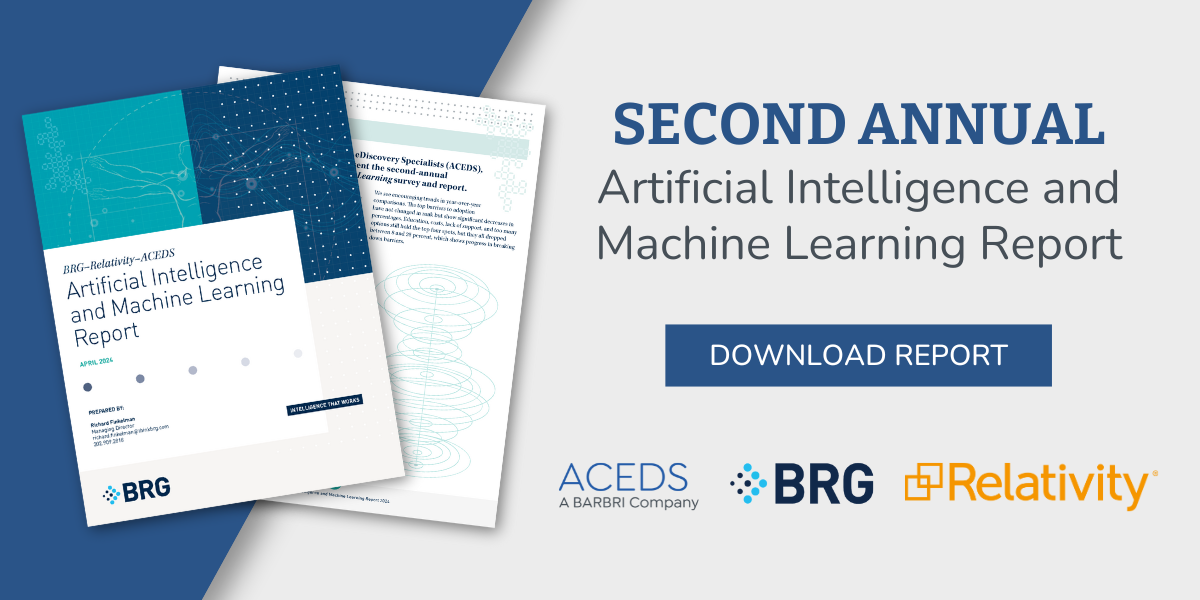
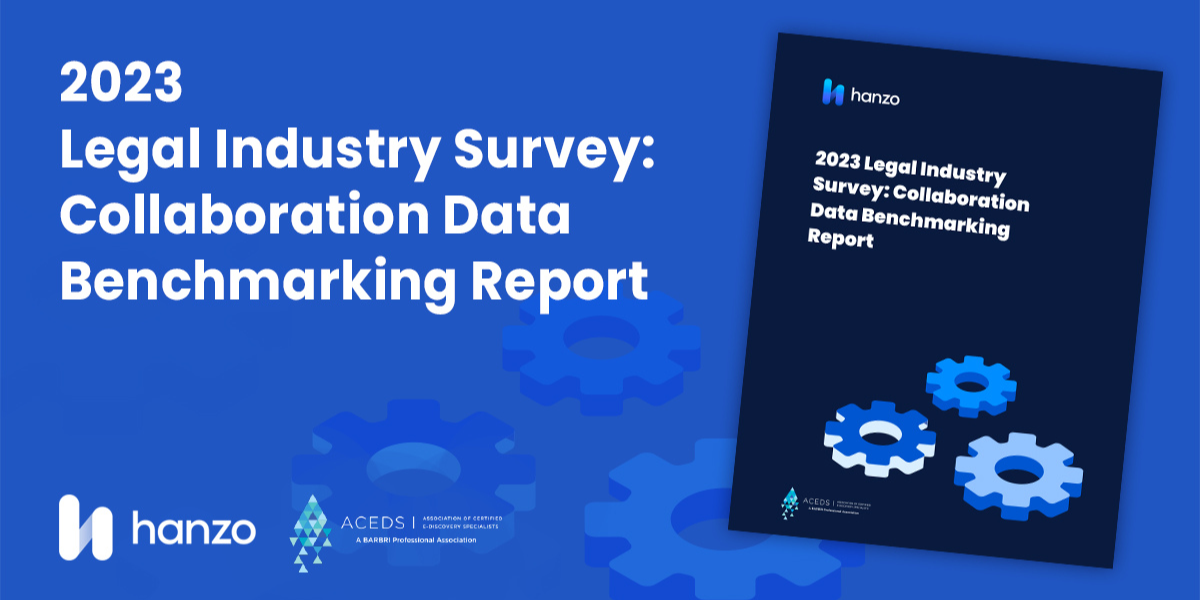
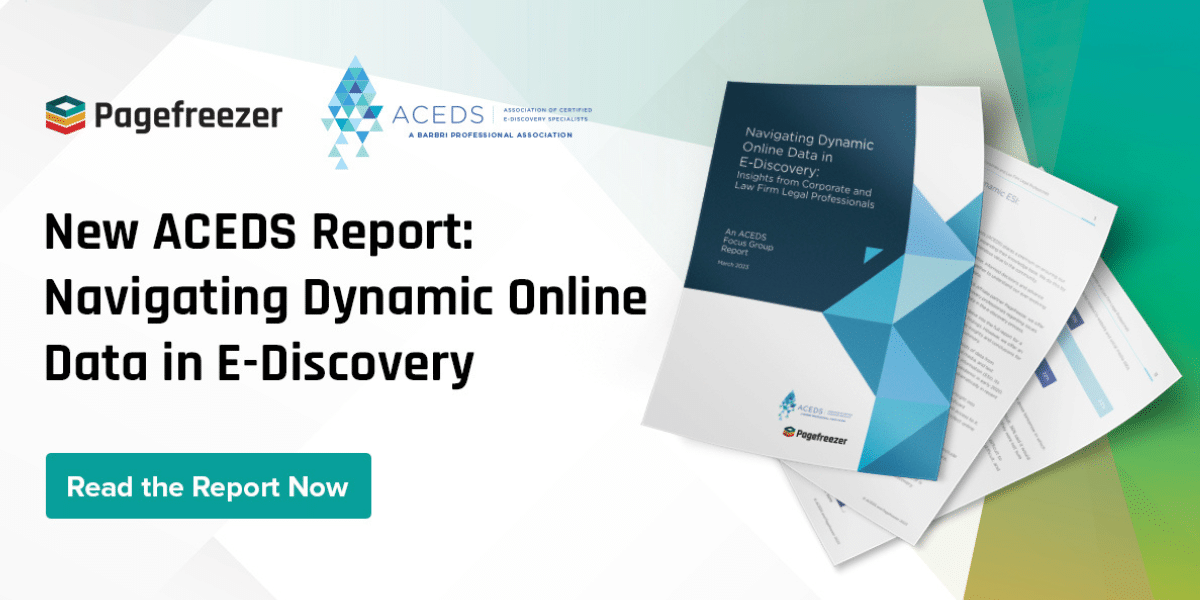
Explore important developments and recent news in the e-discovery community


Upcoming ACEDS Events
The global ACEDS community is filled with opportunities for members to connect with each other in e-discovery. We look forward to seeing you at an upcoming international, national, or chapter networking or training event.
If you aren’t able to find something on the community calendar or are aware of an event that needs to be added, please contact us at 844-992-2337 or [email protected]. We are always looking for ways to better serve our members!